
Obsessive compulsive disorder
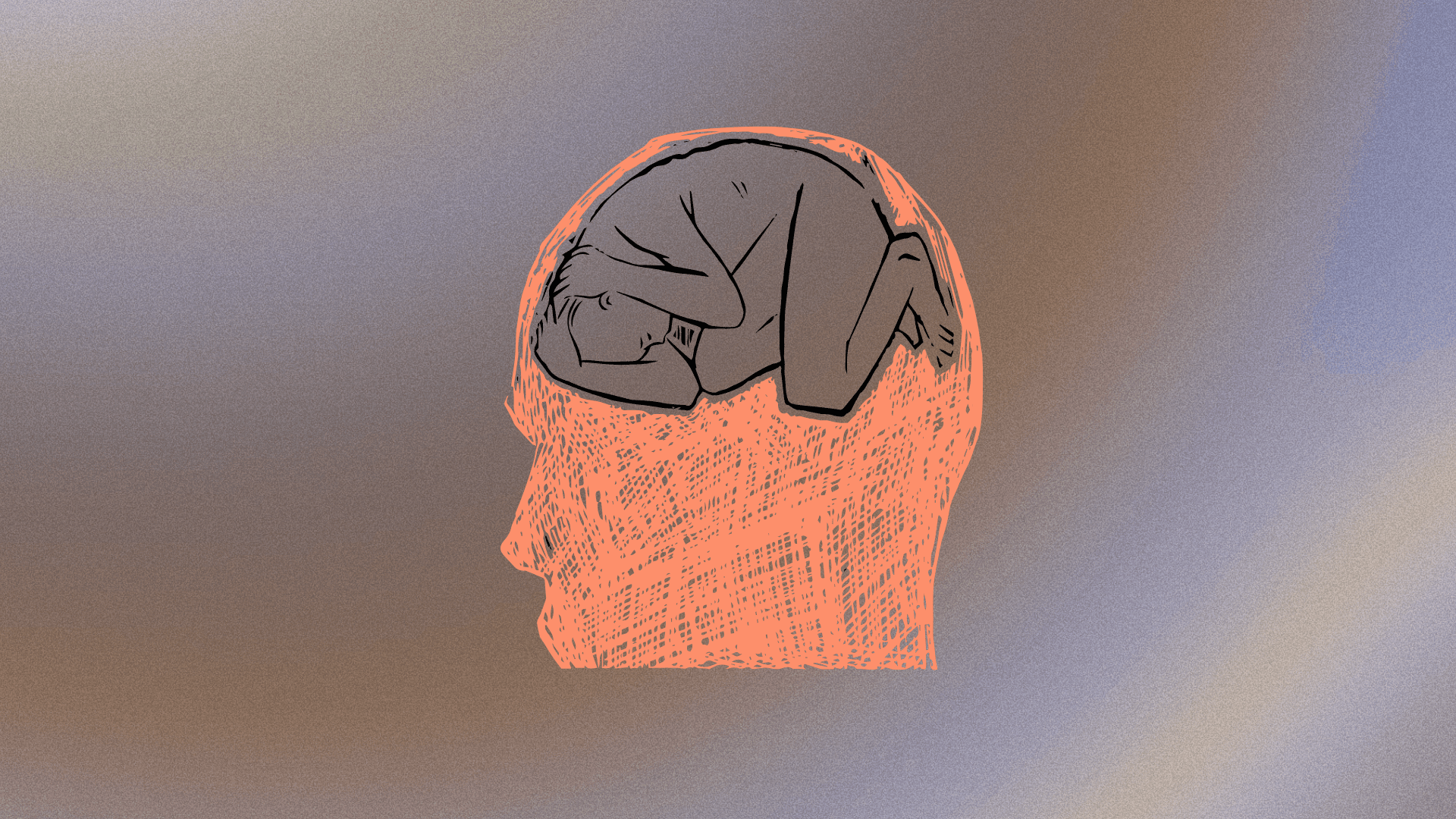
Obsessive compulsive disorder is a mental health disorder characterized by two main aspects that feed on each other: obsessions and compulsions.
What is obsessive compulsive disorder (OCD)
Obsessive compulsive disorder is a mental health disorder characterized by two main aspects that feed on each other: obsessions and compulsions.
Obsessions are recurrent thoughts, images and urges (such as having repeated thoughts about contamination, doubting if you locked the door or shut off the stove or having strong feelings that you must do something…). Because you experience these obsessions in an intrusive and unwanted way, they are highly disturbing and they bring severe anxiety. The anxiety leads you to the second aspect of OCD, compulsions.
Compulsions are repetitive behaviors that you feel you forced to do in order to reduce or stop the anxiety. They can be in forms of physical actions (handwashing for hours, checking multiple times if the door is locked, if the stove is off) or mental acts (like counting over and over in your head or saying a prayer). Feeding off each other these obsessions and compulsions will gradually take up more and more of your time, exhaust you and make the simplest everyday tasks very hard to do.
Why do i obsess and keep doing things repetitevely
OCD is a vicious circle that starts with experiencing an intrusive mental image, impulse or thought. If it is a thought, it comes to your mind in an unwanted way: "What if I left the stove on and my family will die because of me?"
The thought is so disturbing that it puts you in a very anxious state, making you think over and over about what will happen if it is true, and that it is your fault. The guilt is so heavy that you go and check if the stove is really on. You do, and you find it off. You check the handle -it is OFF- and you go back to your room. You feel less anxious.
But after a while, another intrusive thought may come to you, asking, "What if when you went to check the stove, you unintentionally turned it on?" , which makes the anxiety come back. Since going the first time made you feel less anxious, you go again. Nothing alarming. You go back to your room, and again, another obsession hits, deep down you know it’s not rational but the anxiety feels so real, it forces you to do the compulsion which is checking the stove for the third time and again, and again, and again. The obsession always finds a way to make you feel high anxiety and making the disturbing thought seem real, leading you to do the compulsion.
This pattern is the case for many OCD subtypes that we will see below
Most commun types of OCD in north africa and beyond
OCD can attach itself to almost any thoughts or topics, but it often fixates on what you perceive as most important in your life.
Religious obsessions: if you are a muslim, you may go to perform ablution (wudu) and suddenly have the thought, “What if my intention (niyyah) was not sincere enough?” or “What if I forgot to say Bismillah?” Then OCD tells you that your ablution is invalid and that God will punish you if you do not perform it again. As a result, you may repeat the ablution over and over, but it never feels quite right, you become exhausted, yet you push yourself to stop and move on to pray. However, when you begin the prayer with ‘’takbir’’, OCD tells you again: “What if I didn't say it or act it correctly?” You repeat it, hoping to feel certain, but each repetition brings only temporary relief. No matter how many times you try, it never feels as though you have done it properly. The fear remains: “If I don't do it perfectly, God will punish me’’ making you do it over and over.”
Relationship OCD: If you are looking to establish an intimate relationship, typical obsessions are ‘’What if my partner doesn’t really like me or what if they like someone else’’ and the compulsion would be checking your phone repetitevely looking for reassurance that they are not cheating on you or texting them repetitevly through the day to check if they are still interested in you.
Contamination OCD: This subtype is in the whole world the most common one. It can come in many forms, one of them being ‘’what if I got bacteria on my hands and I will make my family sick if I bring it home”. This may make you so anxious that it make you do the compulsion of handwashing or showering several times.
Checking OCD: This subtype can also come in many forms like checking the stove if it’s ‘’on’’ checking the door if it’s lockd before leaving home multiple times but also thoughts like ‘’what if I caused an accident when i drove my car’’ and the compulsion would be taking that road again to check if you caused no accident, or to check social media if they posted anything about an accident in the road you have took earlier.
Sexual obsessions: Sexuality is a sensitive issue universally and some sexual themes are taboo. This is particularly true in North africain societies and OCD may clutch to these types of taboo topics. An intrusive thought can be something like ‘’What if I am gay’’ or “What if I am a pedophile” and the compulsion can for example be to reassure oneself by repeating to oneself that one is not, or by avoiding being close to children or hugging or touching people of the same sex. In Western or secular contexts, where being gay is less stigmatised, the person suffering from OCD would be less prone to develop obsessions about homosexuality. What is considered forbidden partially varies between different cultural contexts, but what is universal is that those suffering from OCD develops obsessions about what his or her society designates as forbidden.
The most common is to suffer from several different subtypes at the same time. Different themes also have a tendancy to mix. An example of a mix of contamination and sexual obsessions, such as a female patient: “What if I there was some semen on that chair that I sat on, and what if I could become pregnant or be unpure!” This example also shows how “strange” obsessions can become, both to the people around the one suffering from OCD and to the person themself (when she is no longer anxious can rationally see how something of that sort isn’t possible or is irrational).
Cognitive behavioral therapy as treatment for OCD
Exposure and response prevention (ERP) is the most efficient treatment for obsessive compulsive disorder. In ERP you gradually and repeatedly face the situations, thoughts, or things that trigger your OCD while abstaining from doing the compulsive rituals. Over time you learn to tolerate the anxiety and uncomfortable thoughts without acting on them (not doing the ritual/compulsion), which shows that having a thought doesn’t mean you must act on it. Your therapist guides and supports you to approach what made you stuck and makes it a under your control by being comfortable in it’s presence.